
If you own a home with a septic system or are buying or selling a property that has one, understanding how septic inspections work is crucial. A professional septic inspection helps identify potential issues early, protects your investment, and ensures everything is functioning properly under local regulations.
Unlike generic home inspection guides, this article provides a licensed-level breakdown of what a true septic system inspection includes, based on professional standards and years of industry expertise.
The Simple Definition
A septic inspection is a comprehensive evaluation of a property’s entire septic system. This includes assessing the system’s condition, functionality, and compliance with local regulations and health codes.
The goal is to ensure that the system is functioning correctly, is properly maintained, and poses no risk to health or the environment. Unlike a simple pump or a quick glance, a septic inspection digs deep—literally and figuratively—to uncover potential issues before they become major problems or result in expensive repairs.
For authoritative guidance on the basics and septic system maintenance, you can refer to resources like the EPA’s Septic Systems for Homeowners brochures.
Why a “Visual Check” Isn’t a Real Inspection Process
Many homeowners assume that flushing toilets, sniffing for odors, or scanning for standing water is enough. While this kind of visual inspection may seem reassuring, it doesn’t reveal the system’s health or catch hidden issues, especially in a four-bedroom home where the usage load is heavier.
A proper septic system inspection requires a qualified professional to evaluate internal components, inspect beneficial bacteria levels or sewage levels, and test for signs of failure. It also ensures compliance with standards from organizations like the National Association of Wastewater Technicians.
Here’s how a quick look compares to a full septic system inspection:
| Visual Check | Real Septic Inspection |
|---|---|
| Quick look | Full system analysis |
| No digging | Tank access required |
| No testing | Flow and dye tests included |
For more on why visual checks fall short, see the Oklahoma State University PDF Fact Sheet on Inspection of Septic Systems.
What Does a Septic Inspection Include? (Step-by-Step Breakdown)
1. Locating the System
The inspector starts by identifying the location of the septic tank, distribution box, and drain field using as-built diagrams or tools like a small radio transmitter. This step is essential to ensure all parts of the system are evaluated.
2. Uncovering the Tank Lids
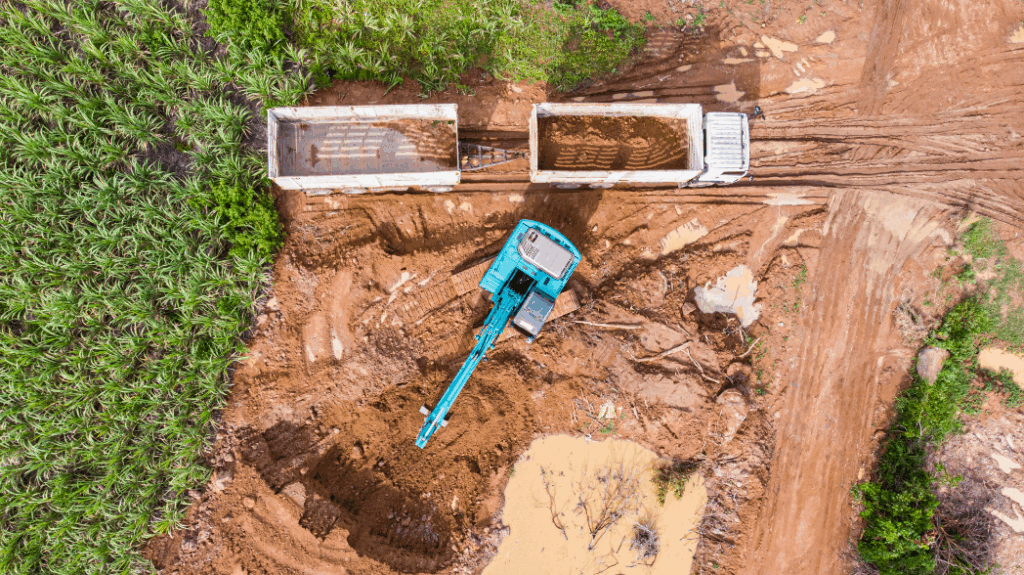
Accessing the tank means physically digging up and removing the ground surface around the tank’s inlet and outlet pipes. Without opening the tank, a thorough evaluation is impossible.
3. Measuring Scum and Sludge Levels
Inside the tank, layers of scum (on top) and sludge (at the bottom) build up over time. Measuring these tells the inspector how full the tank is and whether it needs pumping. The tank’s total volume helps determine acceptable levels.
4. Checking Tank Integrity
Once pumped, the inspector checks for cracks, leaks, root intrusions, and the condition of baffles like the outlet baffle. These elements ensure household wastewater flows correctly without causing sewage backups or contamination.
5. Inspecting the Drain Field
The drain field or absorption area is checked for signs of system failure, such as standing water, unusual plant growth, or foul odor. Inspectors also look for damage to pipes or signs of environmental damage.
6. Performing a Load Test
Also known as a stress test, this step involves running water through the system to simulate normal use. A dye test may be used to trace the water’s path and confirm whether the system is functioning properly. This test can reveal hidden issues like clogged filters, sewage backups, or slow absorption in the leach field.
The Final Report: What You Should Receive
After the inspection process, the inspector will provide a detailed report that typically includes:
- A summary of findings
- Photos or diagrams of the septic system
- Any potential issues or recommended repairs
- An overall assessment of the septic tank’s health
This report is especially important during real estate transactions and may be required by lenders or local agencies. It offers clarity on the state of new systems, older setups, and how several factors—like tank size or system age—impact performance.
Think a Visual Septic Inspection Is Enough?
Don’t risk a malfunctioning septic system. Get a proper septic tank inspection from Septics360 and protect your property the right way.
Frequently Asked Questions About Septic Inspections
Why do I need a septic inspection to sell my house?
In most states, a septic inspection is required before a property sale can be finalized. This type of inspection ensures that the septic system is functioning properly and does not pose any risk to the environment or future occupants. Mortgage lenders and local authorities often mandate septic system inspections to meet health and safety standards. A failed system can delay the sale, trigger costly repairs, or even lead to legal liability for the seller. Having the septic system inspected in advance protects both the seller and the buyer from unexpected expenses and helps avoid surprises during escrow. Typically, the seller is responsible for the cost of the inspection, although this can vary by region—for example, in California, buyers often cover the expense.
Is pumping the tank part of the inspection?
Pumping the septic tank is not automatically included in every inspection, but it’s often required to properly evaluate the system’s condition. During a full inspection, the septic company may recommend pumping the tank to allow access to the interior components, such as the baffles and the tank walls. Without pumping, it can be difficult to assess sludge levels or check for cracks, root intrusion, or other structural issues. Pumping may also be necessary to accurately measure the liquid level in the tank—a key factor in determining whether the septic system is operating within acceptable parameters.
What’s the difference between a septic inspection and a home inspection?
A home inspection focuses on the overall condition of a property, including its structure, roof, HVAC, plumbing, and electrical systems. However, most home inspectors only perform a visual inspection of the septic system, if they check it at all. In contrast, a septic inspection—especially a full inspection—goes much deeper. It typically involves uncovering and opening the septic tank, measuring fluid levels, conducting a dye test, and running a flow test to see how wastewater moves through the system. A home inspector may overlook septic-specific issues that a trained septic company would catch. That’s why it’s generally recommended to hire a licensed septic professional for a complete septic system inspection.
How much should a septic inspection cost?
The average cost of a professional septic system inspection ranges from $100 to $250, depending on factors like tank size, accessibility, system complexity, and your geographic location. If the tank needs to be pumped to allow a complete inspection, expect to pay an additional $300 to $700. Full inspections that require excavation or include advanced testing, such as dye tracing or effluent monitoring, may also cost more. Although prices vary, the cost of a regular inspection is a small investment compared to the thousands it might cost to fix or replace a failing septic system. For example, repairing a cracked tank can cost $2,000 or more, and replacing a drain field can run up to $15,000.
Is it important to have a septic inspection?
Yes—septic inspections are essential for protecting your health, your home, and your finances. Septic systems handle all the wastewater from your home, including that from toilets, sinks, showers, and even appliances like the garbage disposal. If the system fails, it can cause contamination, foul odors, and serious health hazards. The Environmental Protection Agency recommends having your septic tank inspected every three to five years as part of regular maintenance. Without inspections, issues like blocked pipes, damaged components, or inadequate treatment may go unnoticed until significant damage occurs. Well-maintained systems can last 25 years or longer, while neglected ones often require premature repairs or full replacement.
How long does it take to get septic inspection results?
Most licensed septic professionals provide a report on the same day the septic system inspection is performed. In some cases, particularly when laboratory testing or more complex assessments are required, the final report may take one to two business days. During the inspection, the technician may perform several tests, including measuring liquid levels, conducting a dye test, and observing how efficiently the system accepts effluent without backflow into the tank. These findings are compiled into a detailed report, which outlines any detected issues and recommended repairs, such as fixing cracked baffles, clearing blocked filters, or addressing signs of saturated drain fields.
What causes a septic system to fail inspection?
There are several common reasons a septic system may fail an inspection:
- Overfilled septic tanks due to neglect or infrequent pumping
- Clogged outlet pipes or filters that restrict wastewater flow
- Cracked or damaged tanks, which can lead to leakage and contamination
- Tree root intrusion, which may damage the tank or lines
- Improper or inadequate maintenance, including ignoring warning signs
- Saturated drain fields, often caused by excessive water usage or system overload
- Blocked distribution boxes, preventing even flow to the drain field
- Leaks or backflow indicate a failure to properly process or disperse wastewater
Any of these issues can result in costly repairs. For example, replacing a damaged tank may cost over $5,000, while clearing invasive roots could range between $600 and $1,600. The cost of repairing a septic pump, if needed, typically falls between $500 and $1,500. To avoid these outcomes, it’s crucial to schedule regular inspections and practice routine maintenance of your system.