
A properly functioning septic system protects your home, health, and wallet. This guide breaks down how to inspect a septic system safely at home, while making it clear when to bring in a pro.
Important Disclaimer: DIY Checks vs. Professional Inspections
A full, legally binding septic inspection must be performed by a certified professional. This guide covers visual checks that any homeowner can and should perform to spot potential problems early.
Septic systems are complex, and even a small misstep can lead to contamination, system failure, or expensive repairs. The DIY septic system inspectionchecklist below outlines safe and simple ways for homeowners to monitor their septic system’s health, but it should never replace a full inspection by a licensed technician.
The Homeowner’s Visual Inspection Checklist
Inside the House
■ Check for slow drains or standing water in sinks and tubs. These can be early signs of clogging or blocked sewer pipes.
■ Listen for gurgling sounds when water drains. Gurgling may indicate poor vent system function or early blockage.
■ Watch for frequent plumbing backups, especially in the lowest drains in the home.
Outside – Over the Septic Tank
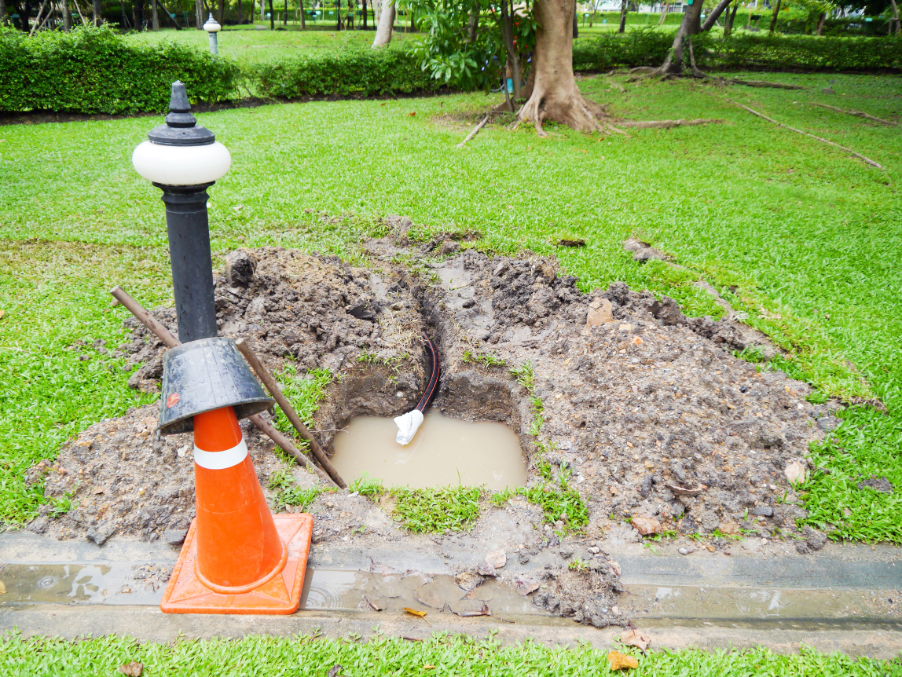
■ Look for liquid surfacing on the ground, which could signal tank overflow or leakage.
■ Smell for strong or foul odors near the tank location.
■ Visually inspect the tank area (from a safe distance) for cracks, displaced lids, or signs of soil disturbance over a concrete tank.
Over the Drain Field
■ Walk the entire drain field to check for soggy, mushy, or saturated soil.
■ Look for patches of unusually green grass, especially during dry seasons—this could mean effluent is surfacing due to clogging or failure.
■ Smell for sewage odors that linger above the ground.
Maintenance Records
■ Review the system’s maintenance history. A properly functioning septic system needs regular maintenance.
■ Confirm when the tank was last pumped. Most systems should be pumped every 3 to 5 years, depending on household size and usage.
Need more visual info?
This step-by-step septic system visual inspection checklist helps homeowners to monitor septic system signs of failure safely, such as sewage surfacing, soggy soil, odors, and review maintenance records.
What a Professional Septic Inspection Adds (The “Do Not Attempt” List)
While the checklist above helps homeowners spot visible signs of common issues, there are limits to what you can safely and legally do without certification.
- Opening the Tank: This is hazardous and requires protective gear and proper ventilation. Septic gases can be deadly.
- Measuring Sludge/Scum Layers: Requires tools like a sludge judge to assess the tank’s sludge, scum, and liquid levels.
- Inspecting Baffles and Tank Interior: Baffles are critical for slowing the inflow and preventing solids from entering the drain field. Detecting deterioration or damage requires experience and specialized tools.
- Performing Dye or Hydraulic Load Tests: Improperly conducted, these tests can flood the system or contaminate groundwater.
A licensed inspector will also examine:
- The distribution box and outlet pipe are for damaged or improper flow.
- Tank bottom and structural integrity, especially in older concrete tanks.
- Proper flow of wastewater through all system components.
When to Call a Certified Septic Professional
If you notice any red flags during your DIY inspection, don’t wait. Septic system warning signs—like foul odors, slow drains, soggy soil, or abnormal vegetation—should never be ignored. According to the University of Florida IFAS Extension, these issues signal it’s time to know when to call a septic professional.
A certified septic inspector can perform a full system evaluation to determine the health of your system and help you avoid expensive repairs.
Final Thoughts
Homeowners can and should visually inspect their septic systems on a routine basis, but only a professional can fully evaluate and certify that the system is functioning properly. Frequent inspections and regular maintenance are your best defenses against system failure and costly emergencies.
Maintaining a properly functioning septic system isn’t just about convenience—it’s about protecting your home, health, and environment.
Noticing slow drains or foul odors around your yard?
If you spot any of the warning signs in this checklist, it’s time to call a certified professional for a full evaluation before a small problem becomes a big one.
Frequently Asked Questions About Septic Inspections and Maintenance
How much should a septic inspection cost?
A typical septic inspection costs between $300–$600, depending on the system’s size, location, number of components, and whether the inspection requires digging or pumping. More complex systems—especially older ones with concrete tanks, several lids, or hard-to-access distribution boxes—can cost more due to added labor and time. A full inspection typically takes 2 to 4 hours and includes checking the liquid level, sludge, and scum buildup; inspecting the outlet pipe; and determining if the tank needs to be pumped. While it’s an upfront cost, regular inspections can save money by catching issues early, before major waste system failures occur.
How do you know if a septic system is good?
A properly functioning septic system shows no foul odors, has smoothly flowing plumbing, and the area above the drain field remains dry, without soggy patches or lush green vegetation. Signs of a healthy system include intact baffles, clear pipes, no visible solids in the effluent, and correct flow through the distribution box. Professionals may use a metal probe to check for proper drainage and cracks in the tank. Up-to-date maintenance logs also help confirm regular care, including having the tank pumped every few years. Balanced beneficial bacteria and aerobic bacteria inside the tank also help break down food waste, oil, and other organic matter effectively.
What to ask for a septic inspection?
When requesting a septic inspection, ask whether it includes:
- Measuring liquid, sludge, and scum levels (often with a sludge judge)
- Inspecting inlet/outlet pipes, baffles, tank walls, and the distribution box
- Checking the effluent flow to the drain field
- Determining if the tank needs to be pumped
- Identifying any root intrusions, leaks, or clogged filters
- Evaluating for septic system warning signs, like surfacing sewage or abnormal vegetation
Also, request a written report with notes, photos, and clear assessments. This documentation helps you plan future services and save money by preventing small issues from escalating.
How often should a septic system be inspected?
The EPA recommends septic systems be inspected every 1 to 3 years. However, frequency depends on usage and risk factors such as system age, soil condition, and household size. Homes that often flush food waste, oil, cigarette butts, or non-biodegradable products down the toilet or use a garbage disposal may need more frequent checks. If heavy rain or snow is common in your area, seasonal inspections may also help. Routine evaluations detect issues like blocked filters, broken baffles, or excess sludge that could lead to clogs.
What’s the most common sign of a failing drain field?
Sewage surfacing or soggy ground over the drain field—especially when there hasn’t been rain or snow—is the most common red flag. You might also notice slow drains, strong foul odors, or gurgling toilets. Bright green grass patches can indicate effluent isn’t properly absorbed or filtered. These signs often result from clogged filters, excess waste, or malfunctions in the distribution box or outlet pipe. Failing to act quickly can harm the environment and lead to major repair costs. Avoid parking heavy vehicles on your drain field, as this can cause soil compaction and contribute to failure.
Is it safe to open my septic tank lid?
No, it is not safe to open your septic tank lid. Inside are toxic gases like methane and hydrogen sulfide, which can be lethal in small amounts. There’s also a serious risk of falling into the tank, which is considered a confined space with low oxygen. Homeowners should never attempt this. Only licensed professionals with proper safety equipment should inspect the tank or determine if it needs to be pumped. Instead, focus on external signs of failure or work with a technician who uses safe tools and techniques to monitor your septic system.